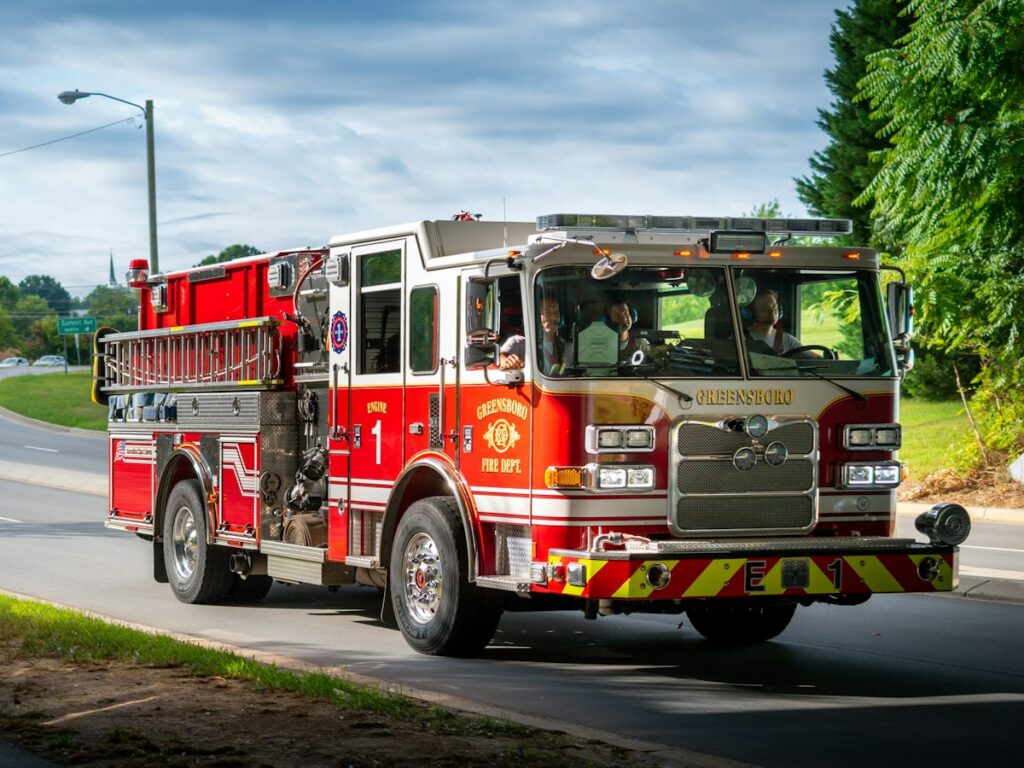
Nearly a third of every emergency call the Wayland Fire Department runs goes to an assisted living facility. That proportion grew over 25 years, according to an independent staffing study, while the number of firefighters and paramedics on the payroll stayed roughly flat.
The convergence of rising medical demand and constrained staffing is one of the central findings of a 104-page review completed in March 2026 by Municipal Resources Inc., a consultant hired through a competitive bid process funded at 2024 Town Meeting. Fire Chief Neil McPherson presented the study to the Wayland Personnel Board on June 24, describing a department navigating structural pressures it did not create.
The study’s summary finding, which McPherson quoted directly, concluded that “continued growth in EMS demand, increasing call concurrency, and rising operational complexity place sustained pressure on the personnel and resources” and warned that response reliability could erode and operational risk could rise without action.
The ambulance service runs at a financial paradox. The department generates roughly $800,000 annually in ambulance transport revenue. But Medicare, Medicaid, and MassHealth reimbursements frequently fall below the cost of a run, sometimes as low as $300 per call.
“We’re not in the business of trying to make money,” McPherson said, “but from a reimbursement standpoint, the significant difference is private pay versus some of the other insurance companies and sources.”
Meanwhile, the department is routinely below its full complement. It operates with five personnel rather than the full seven approximately 73% of the time. When one ambulance is out on a transport call, sometimes only three people remain in Wayland, a level that can strain the two-in, two-out safety protocols recommended for structure fires.
“I do worry about that as we go forward,” McPherson said, “because now we have a pretty, or a reasonably stable group of officers, and we have a lot of newer people.”
List of recommendations
The study identifies 35 recommendations for addressing the staffing model, including adopting a mixed paramedic-and-basic-EMT staffing approach for ambulances, rather than requiring all ambulance personnel to be paramedics. About 60% of the department’s calls require advanced life support. Personnel Board member Paul Morenberg noted at the June 24 meeting that Natick, Framingham, and Concord already use the mixed model.
The paramedic labor market is an additional constraint. McPherson told the board that the paramedic pool is “so short right now,” complicating recruitment even if the budget allowed immediate hiring.
The Select Board has agreed to form a working group to evaluate the study’s 35 recommendations before any changes move forward. The proposed group would include the fire chief, an assistant chief, a union representative, designees from the Select Board and Finance Committee, an HR representative, and a community member.